
Zanni
Client: Zanni, Year: 2026
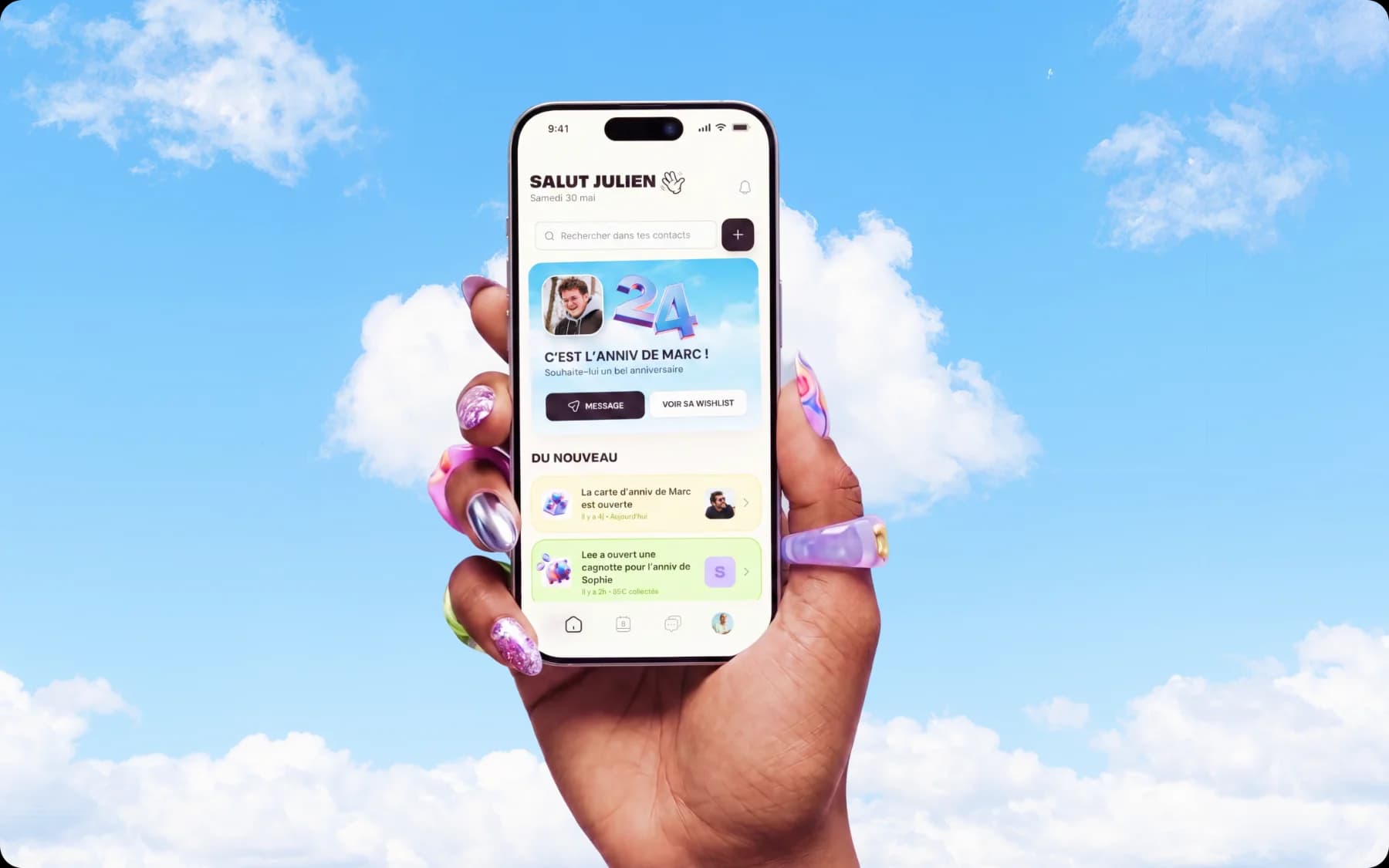
Zanni is a social network built around birthdays. An app to help you remember the people you love, give better gifts, and celebrate the moments that matter. As a co-founder of the project, I oversee the product design, art direction, branding, and product strategic vision. I even coded the V1 myself in React Native, with AI as my co-pilot, before a developer joined us for V2. This case study covers both the brand and the product design.
(01) Branding
A Brand That Refuses to Whisper
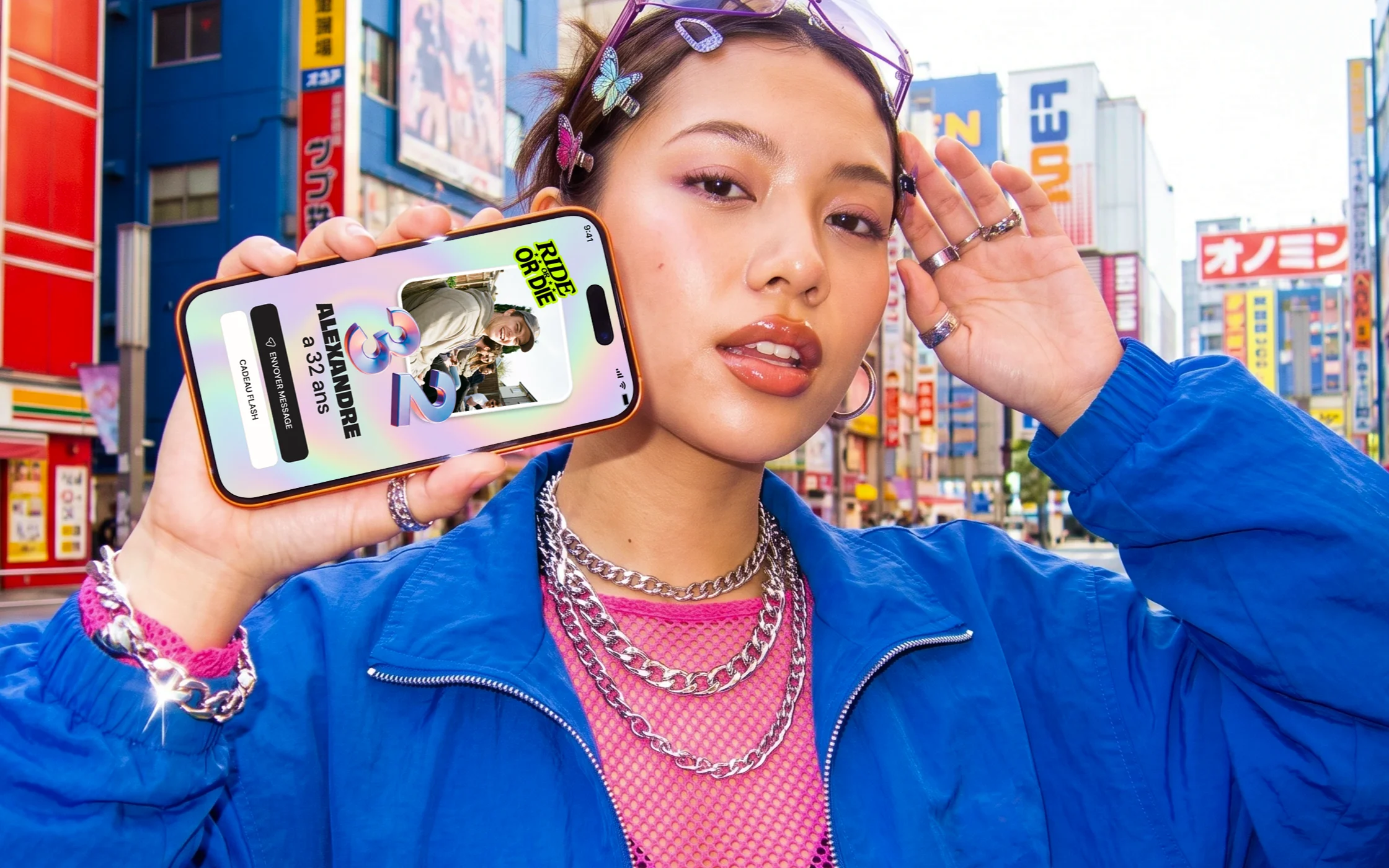
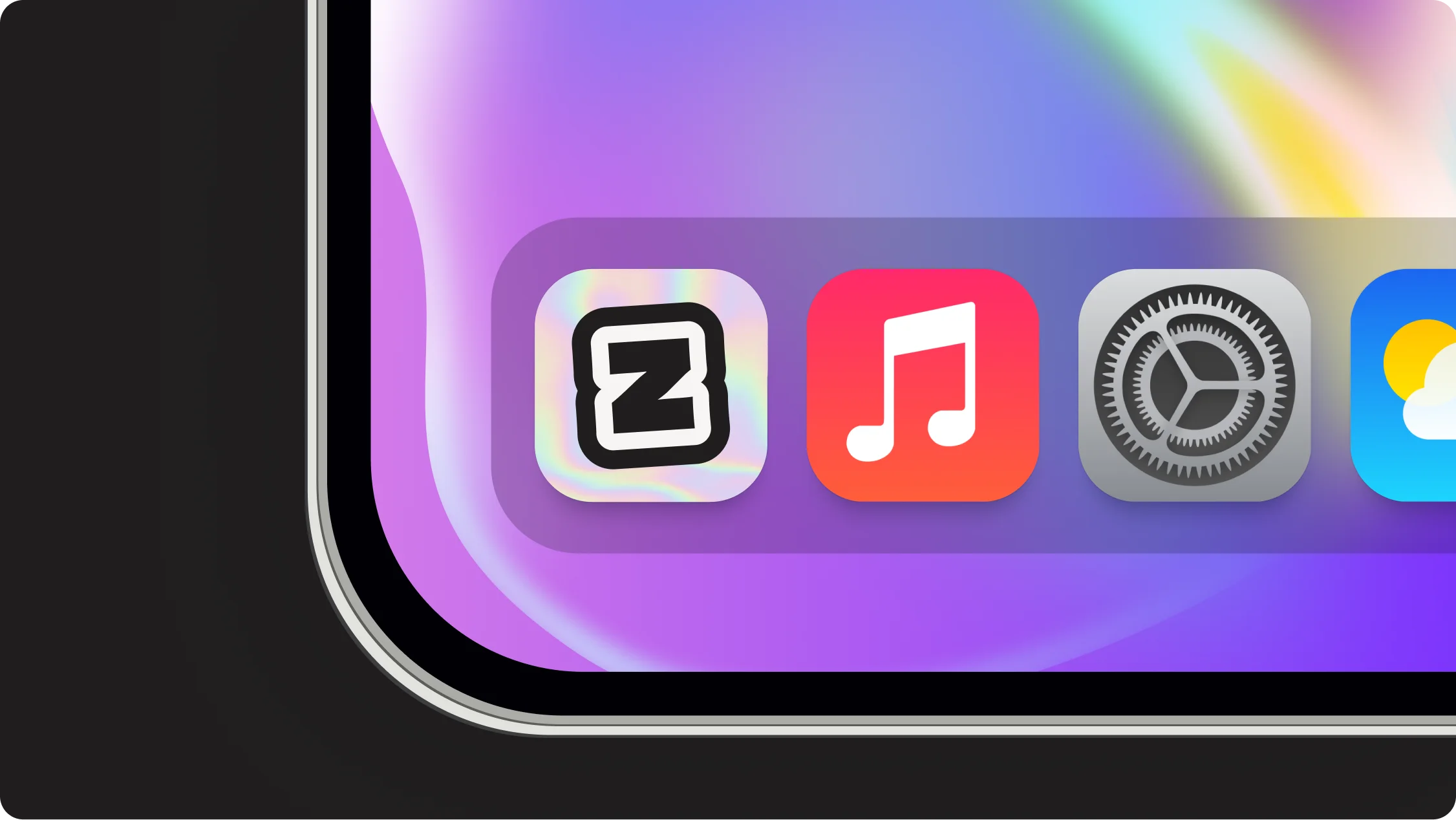
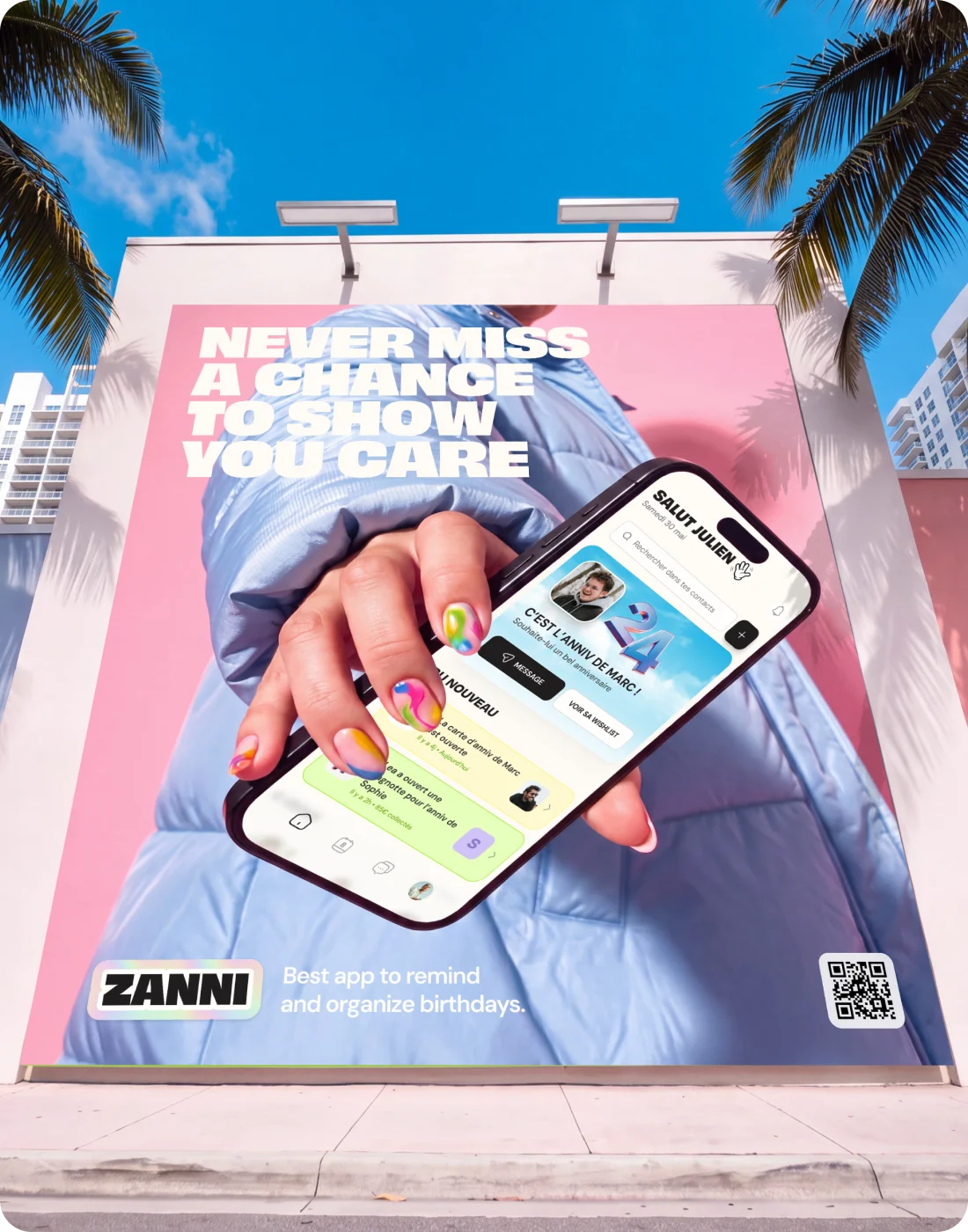
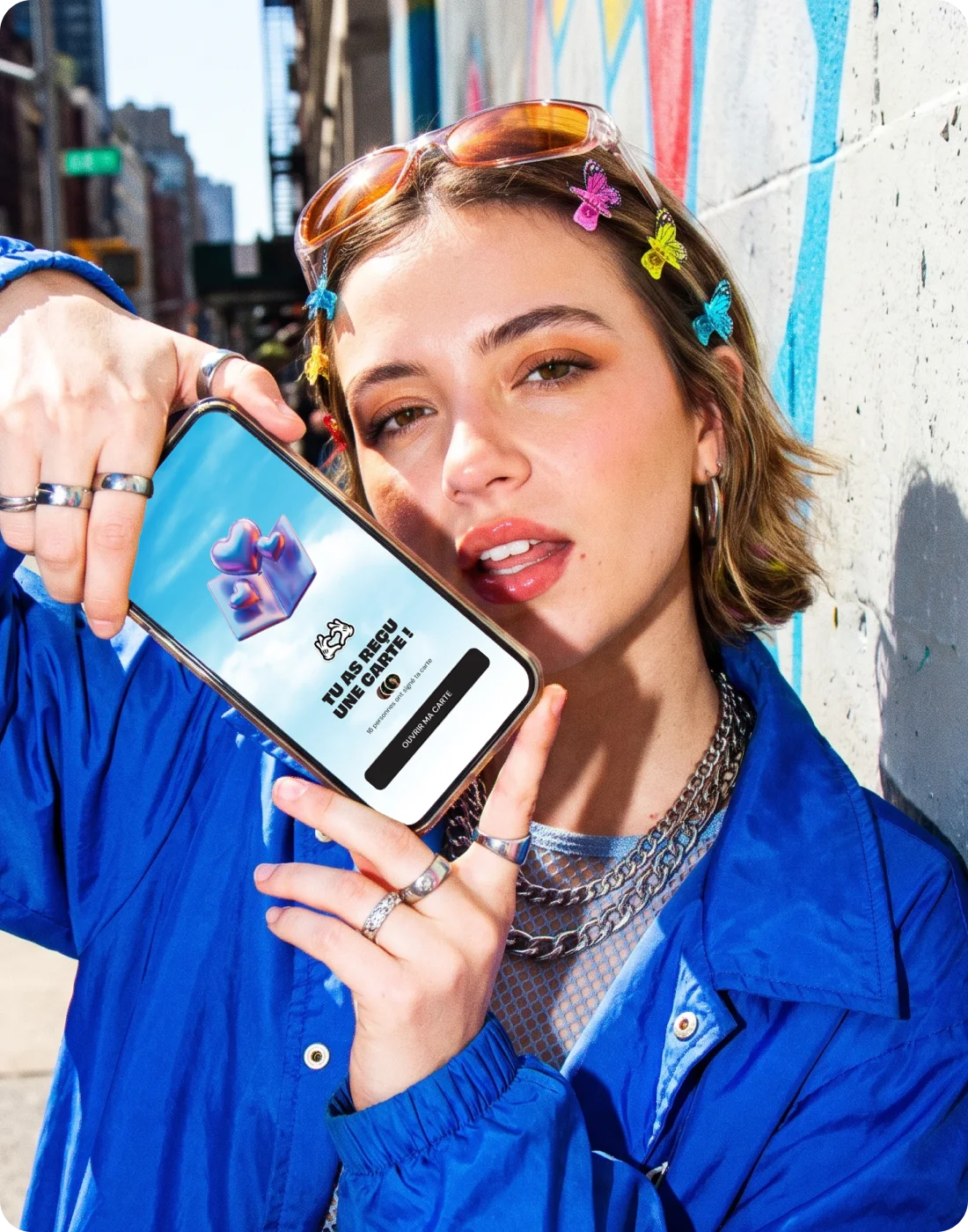
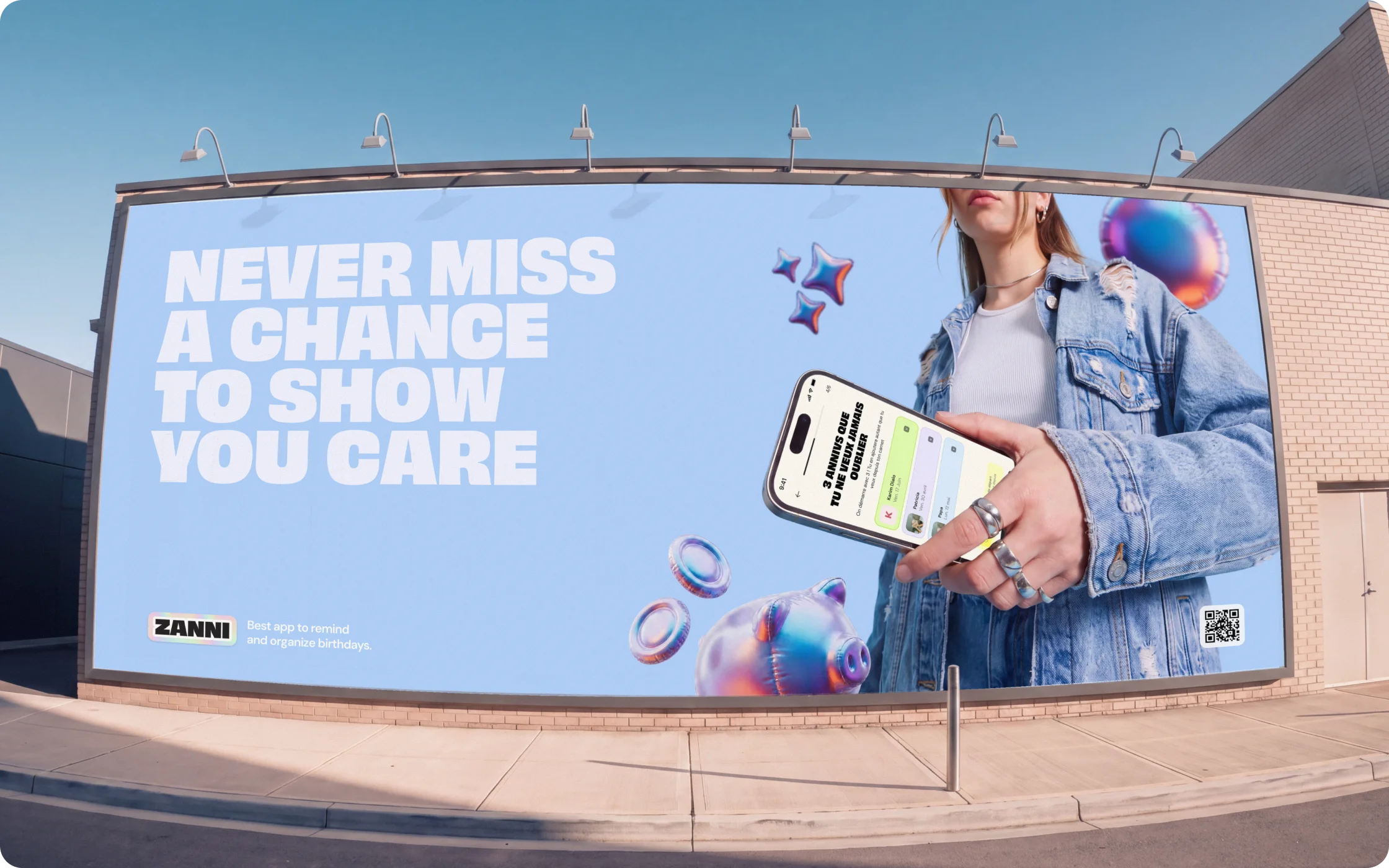
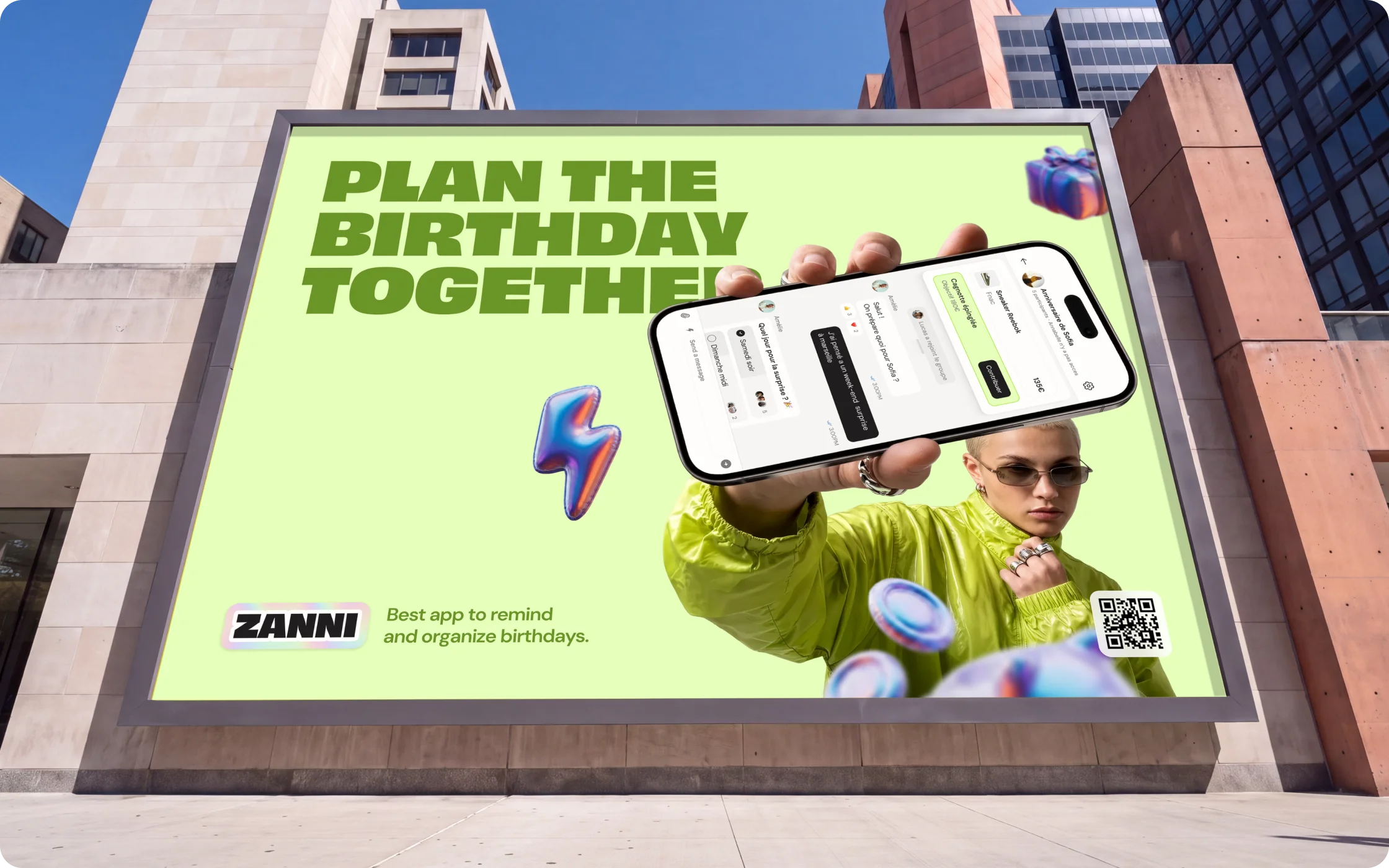
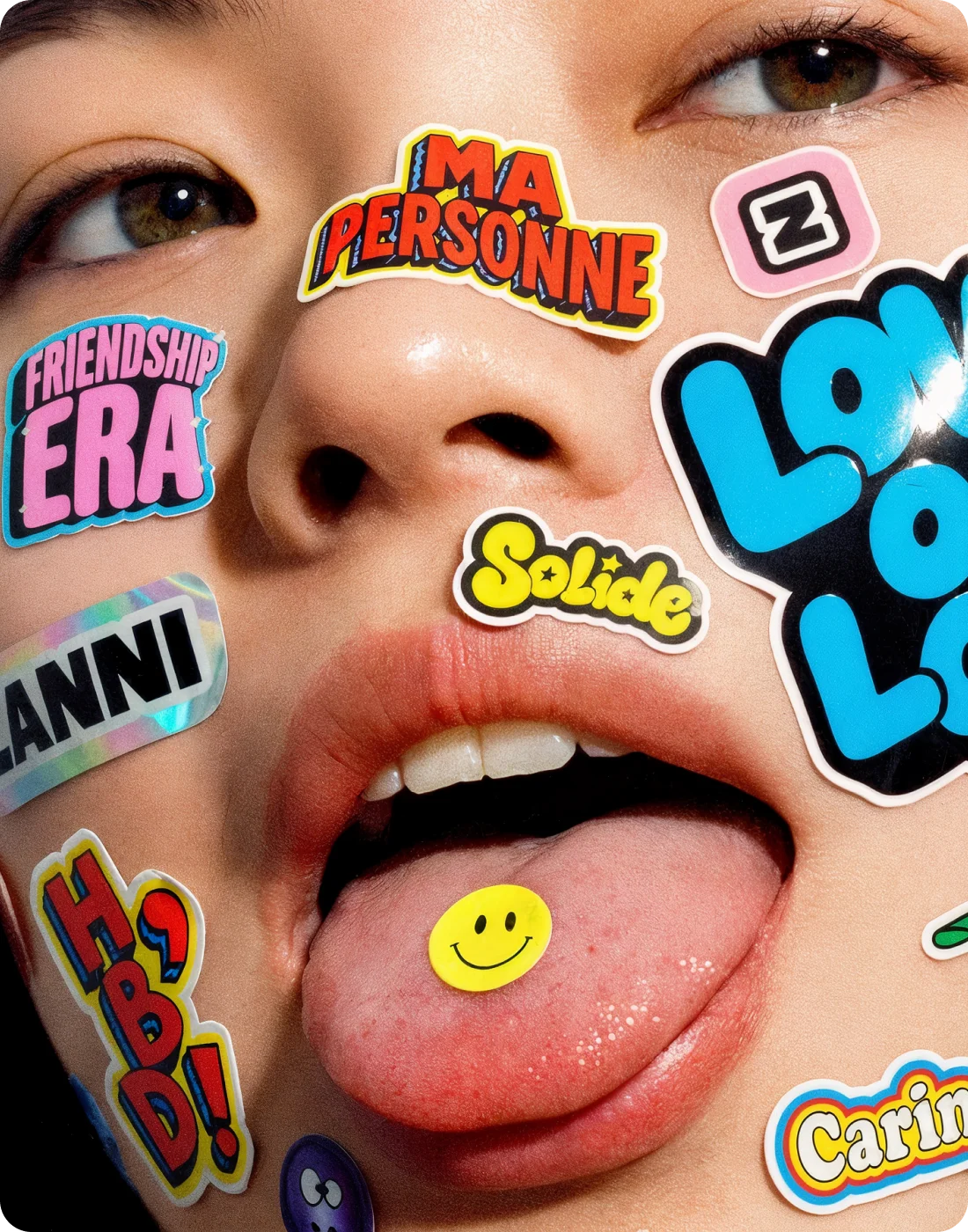
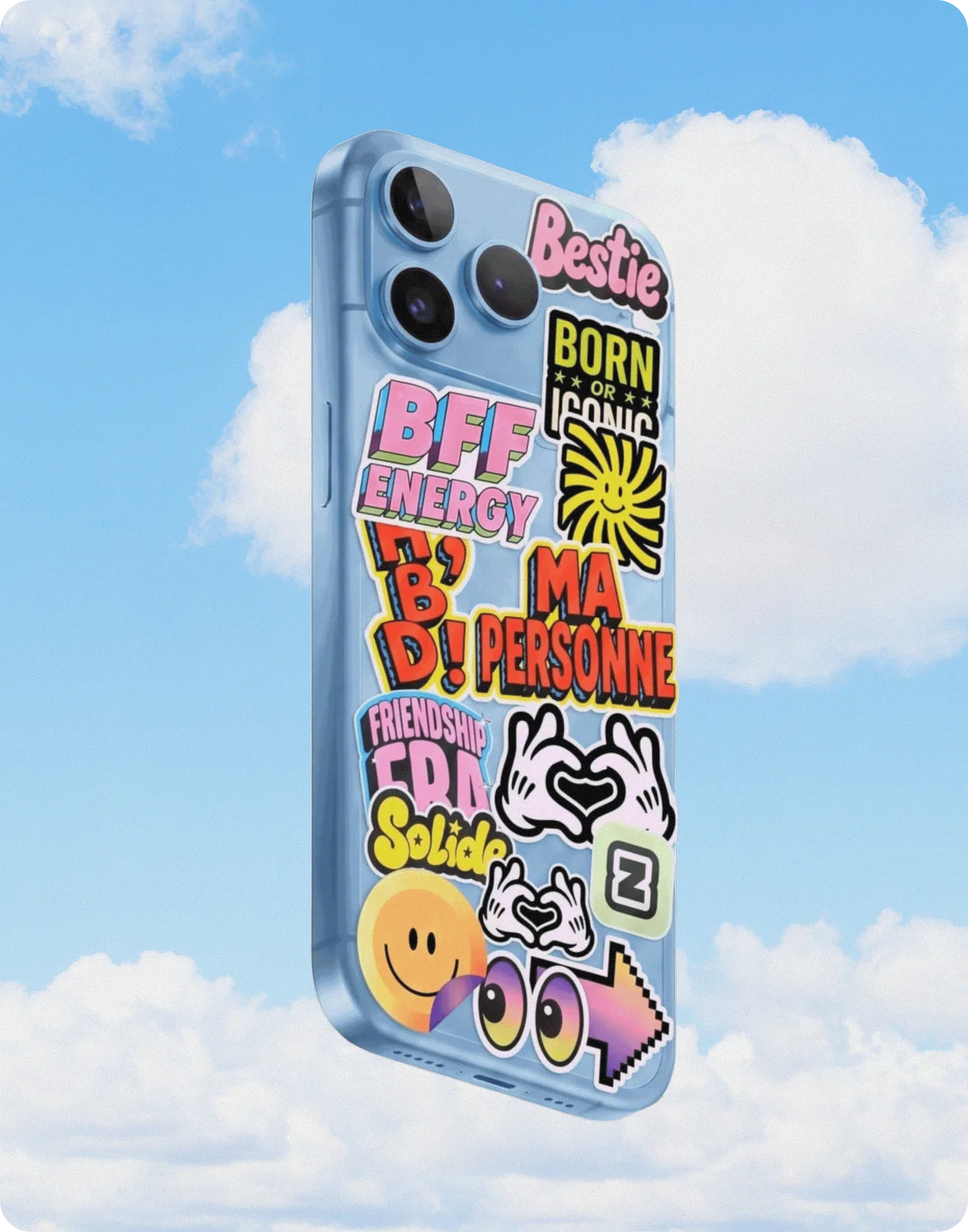
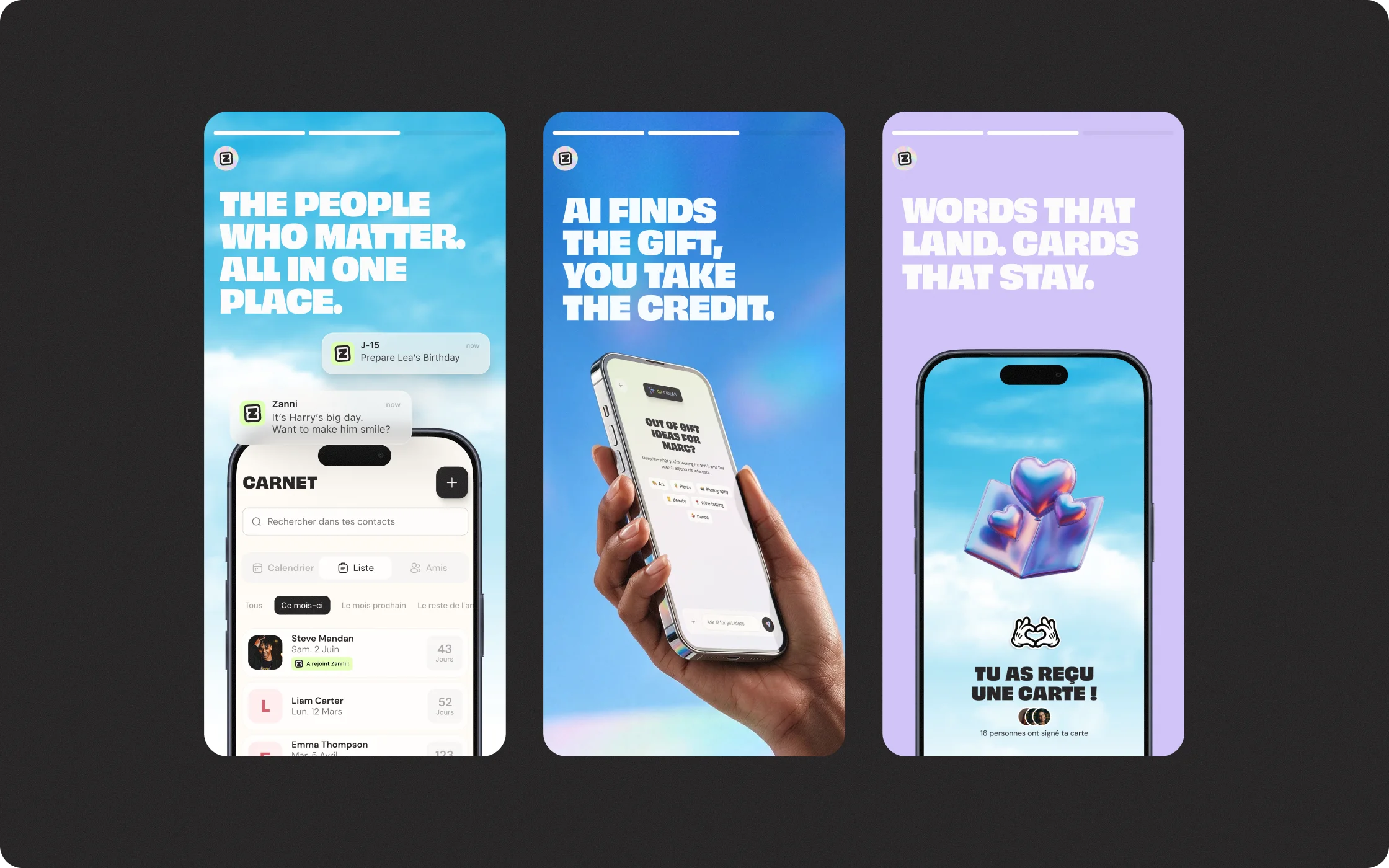
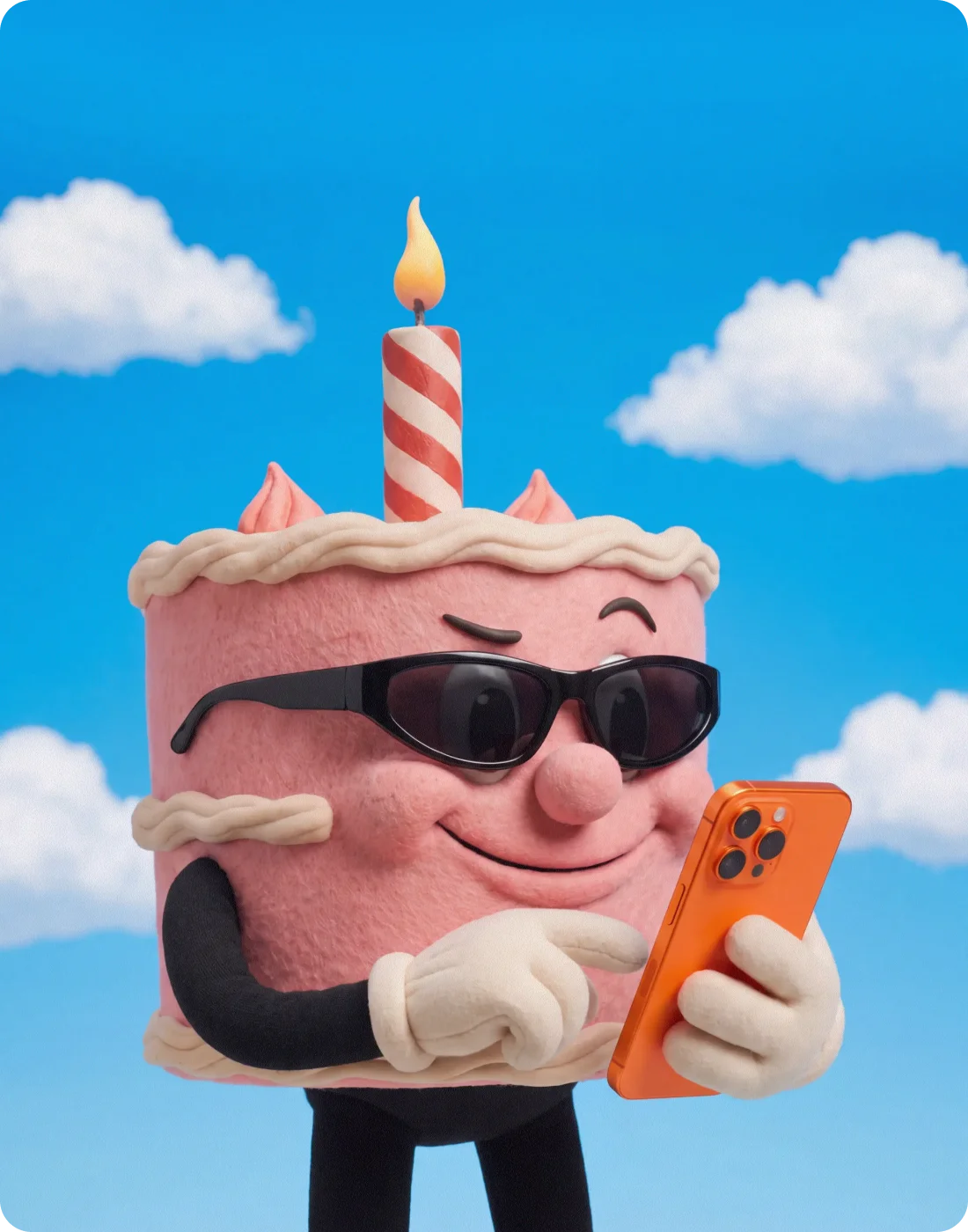
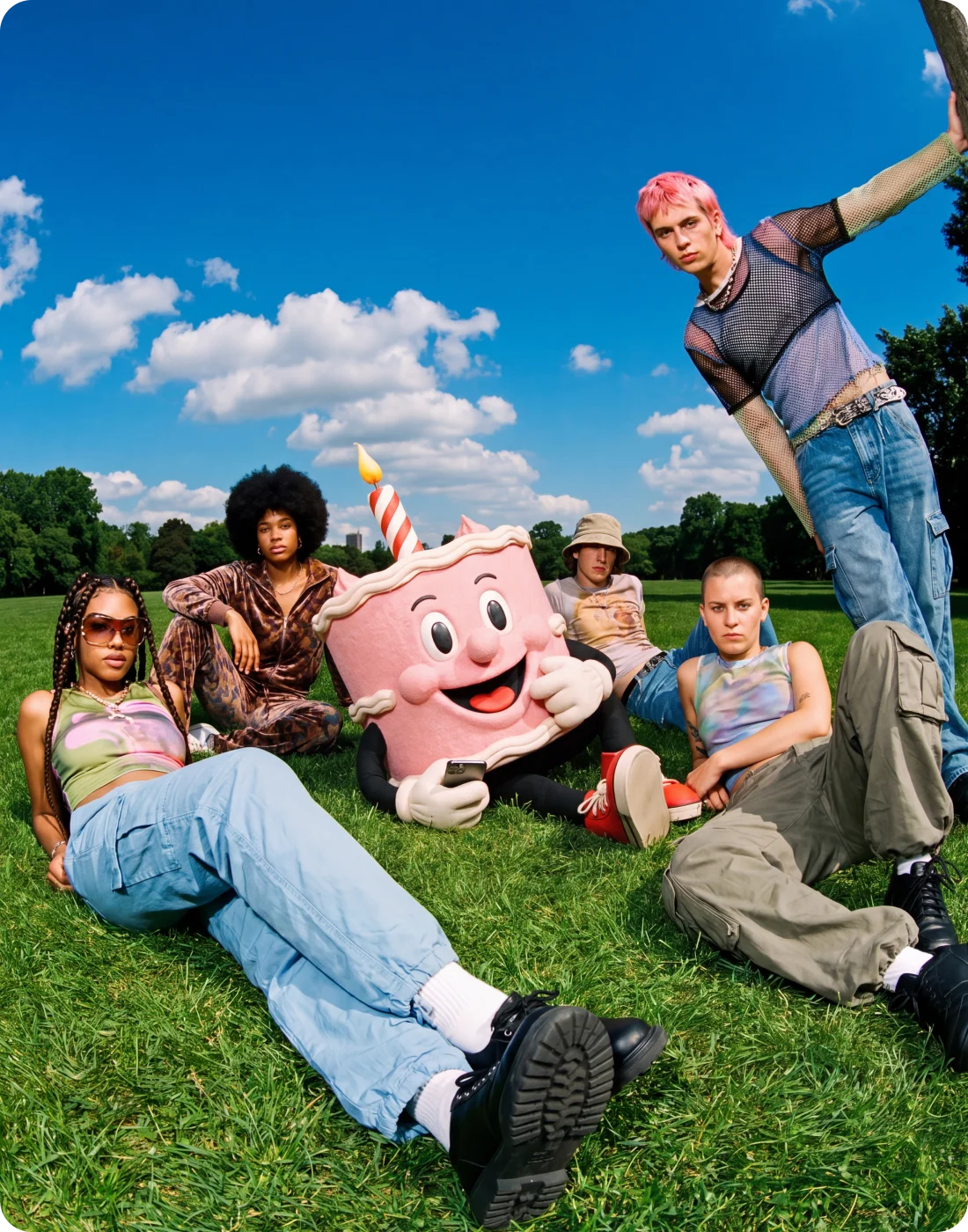
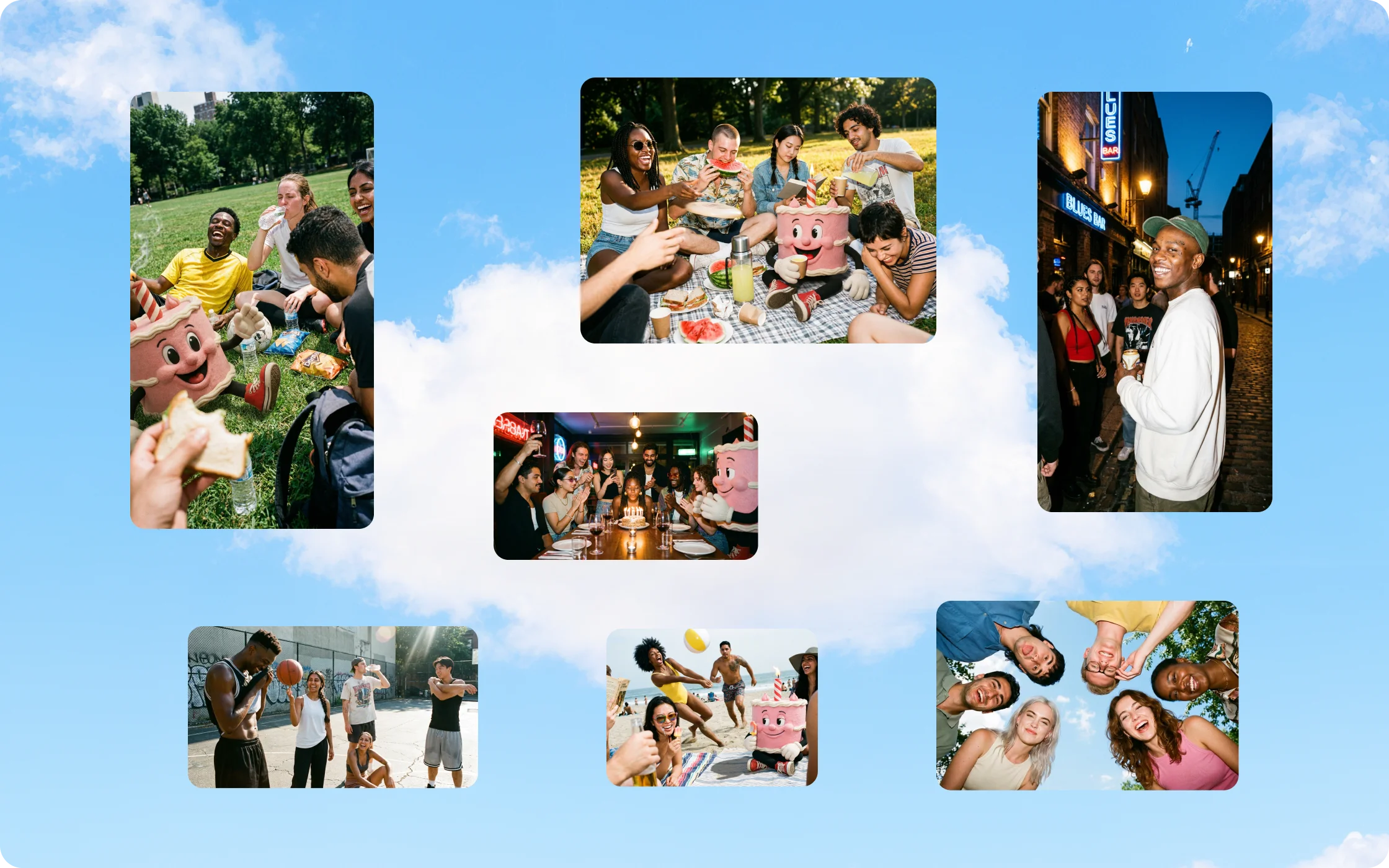
Zanni talks about birthdays, loved ones, and shared moments. A category drowned in cold utility apps. It needed a brand that goes against the grain, and owns it. Creative, eclectic, with Y2K as the north star: striking colors, a bold typeface, and a mascot with a real personality. This chapter unfolds the visual system that emerged from it.


(02) Product design
From V1 to V2
In March 2026, we shipped V1 of Zanni. It worked, but no one really understood it. A few months later, we delivered the V2 design, which rebuilds onboarding from scratch and carries the same principles across the app. This chapter tells how we got there: what we learned, what we decided, what we shipped.
(03) Learning from V1
We had created a network; they wanted a calendar
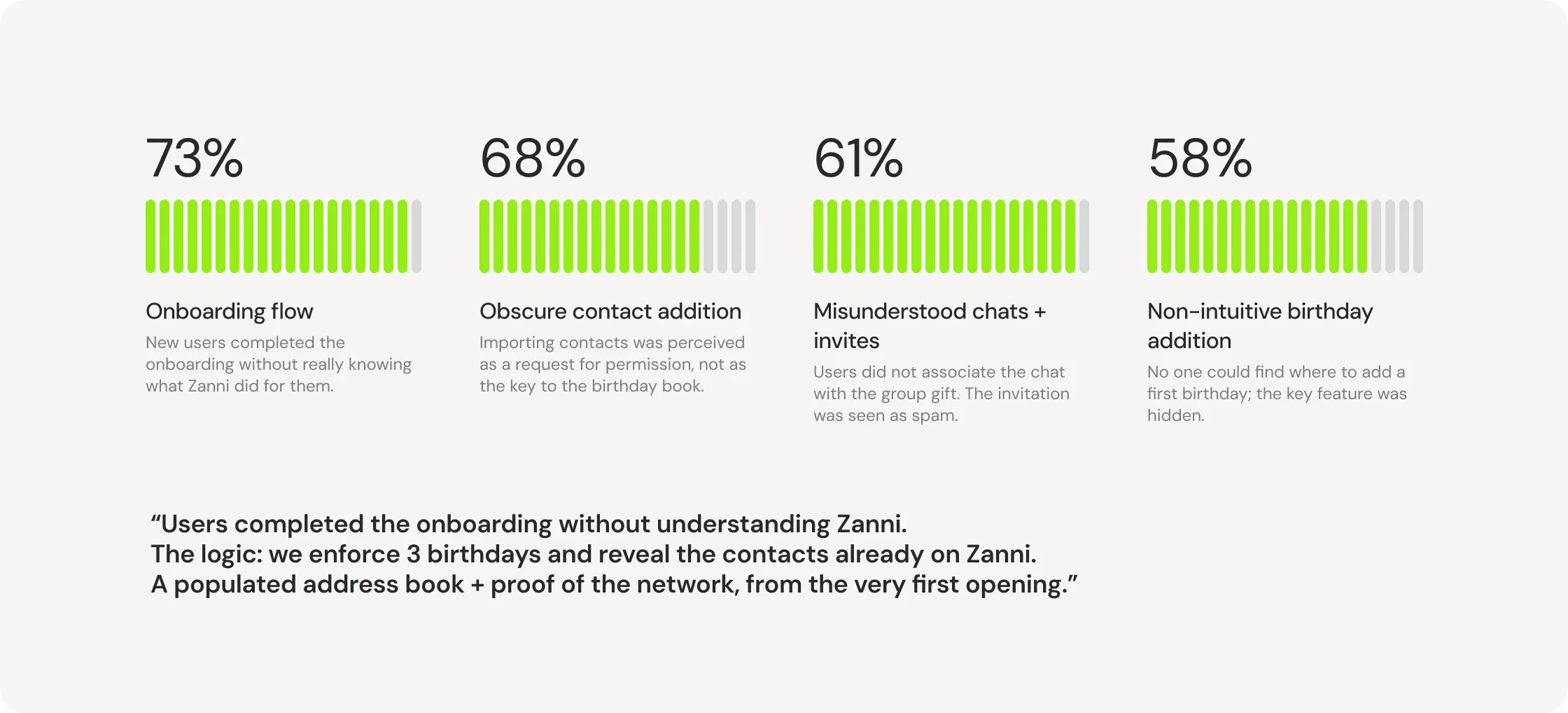
We measured the technical friction. The real signals were deeper, revealing that users did not understand the product's logic. The funnel worked, the OTP was validated, and permissions were accepted. However, once in the app, they didn't know what to do. They didn't connect contact import to their calendar, couldn't find where to add a birthday, and ended up on an empty homepage before leaving. V1 didn't break, but it was incomprehensible.
(04) The process
From user feedback to the V2 design
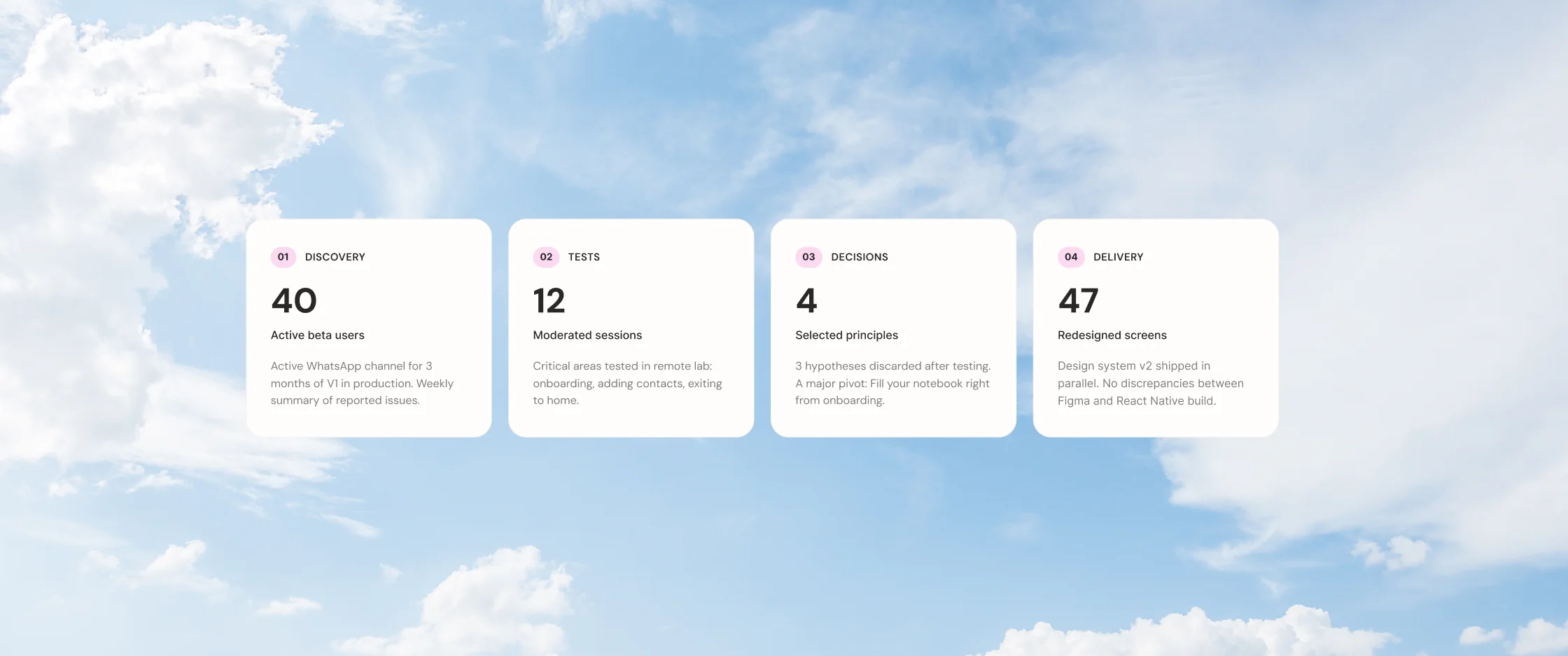
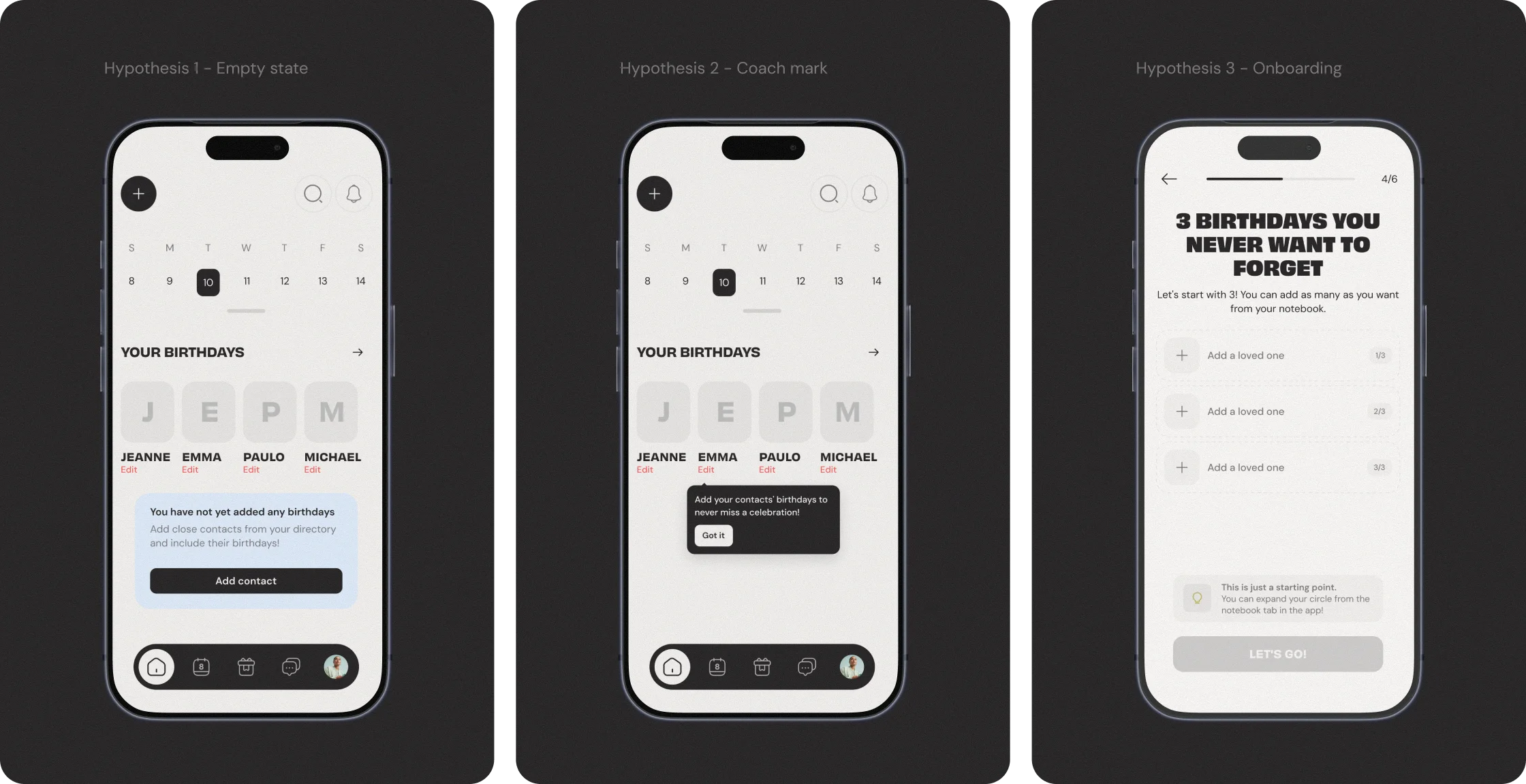
We shipped V1 in March, then we listened. For a month, a WhatsApp channel with 40 beta users continuously reported issues, complemented by 12 moderated sessions on critical areas. From this feedback, 4 principles emerged, with a major pivot: establishing the social mental model right from onboarding. The redesign started in June, and the V2 design was handed off to development in late July 2026.
(05) The solution
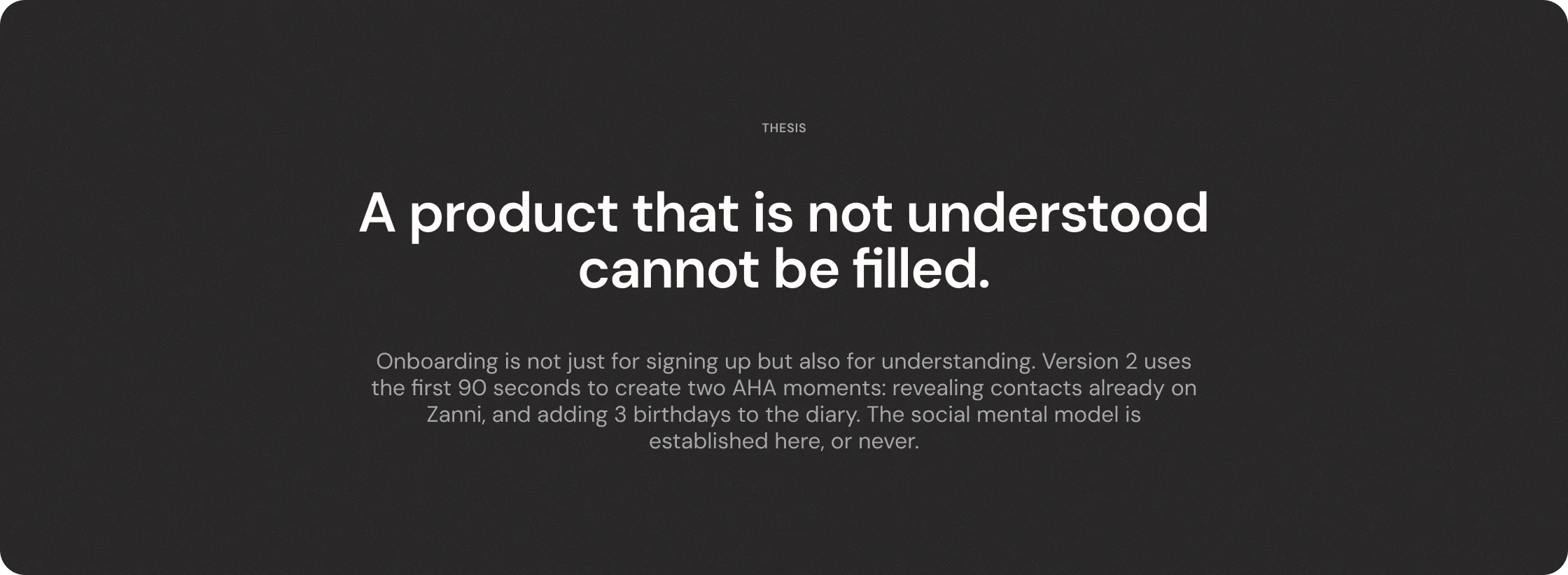
Redesigning onboarding around aha moments
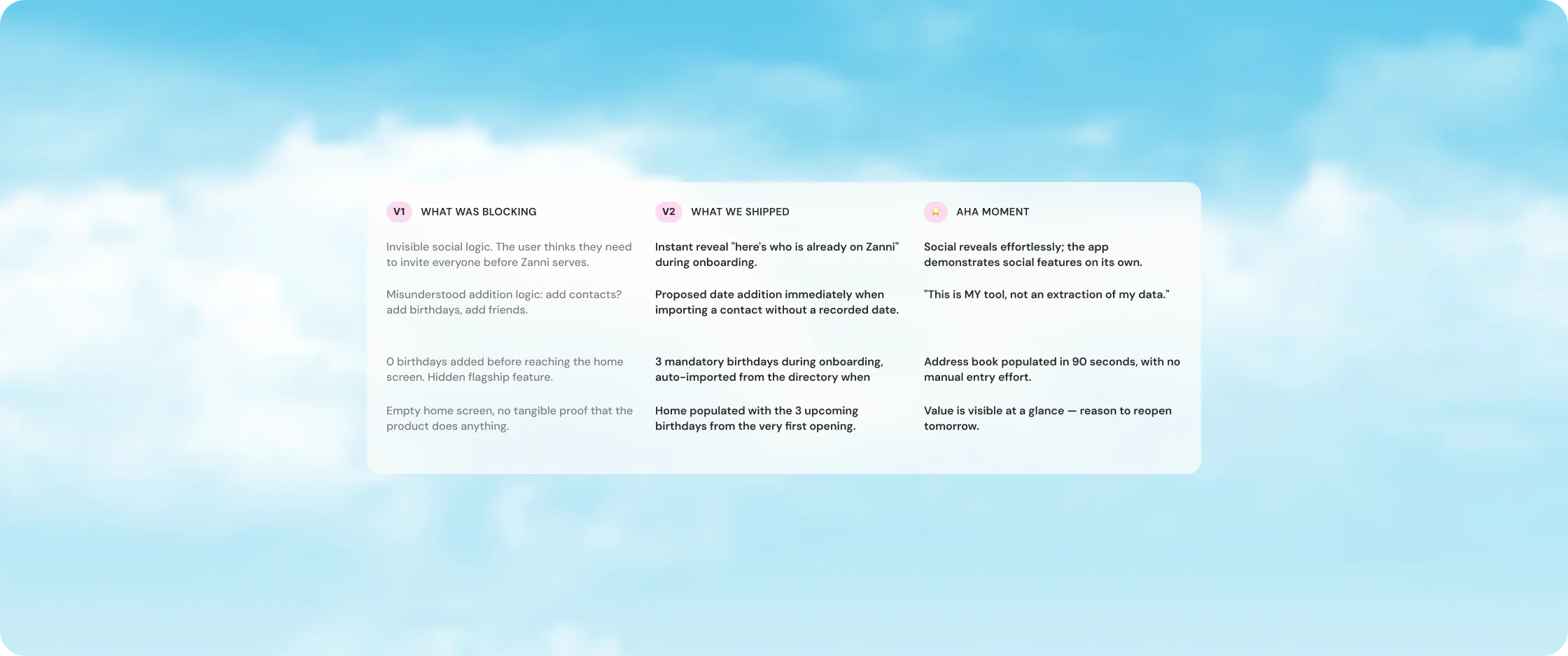
V1 onboarding only asked users to sign up. V2 makes Zanni's purpose clear in 90 seconds, through two key actions. First, users add three birthdays from their contacts, so they leave with a filled calendar. Second, the app reveals which contacts are already on Zanni, introducing the social layer of the app right away. Two small actions, two aha moments: users grasp the product without needing further explanation.
(06) Extended redesign
Same method, applied to every surface
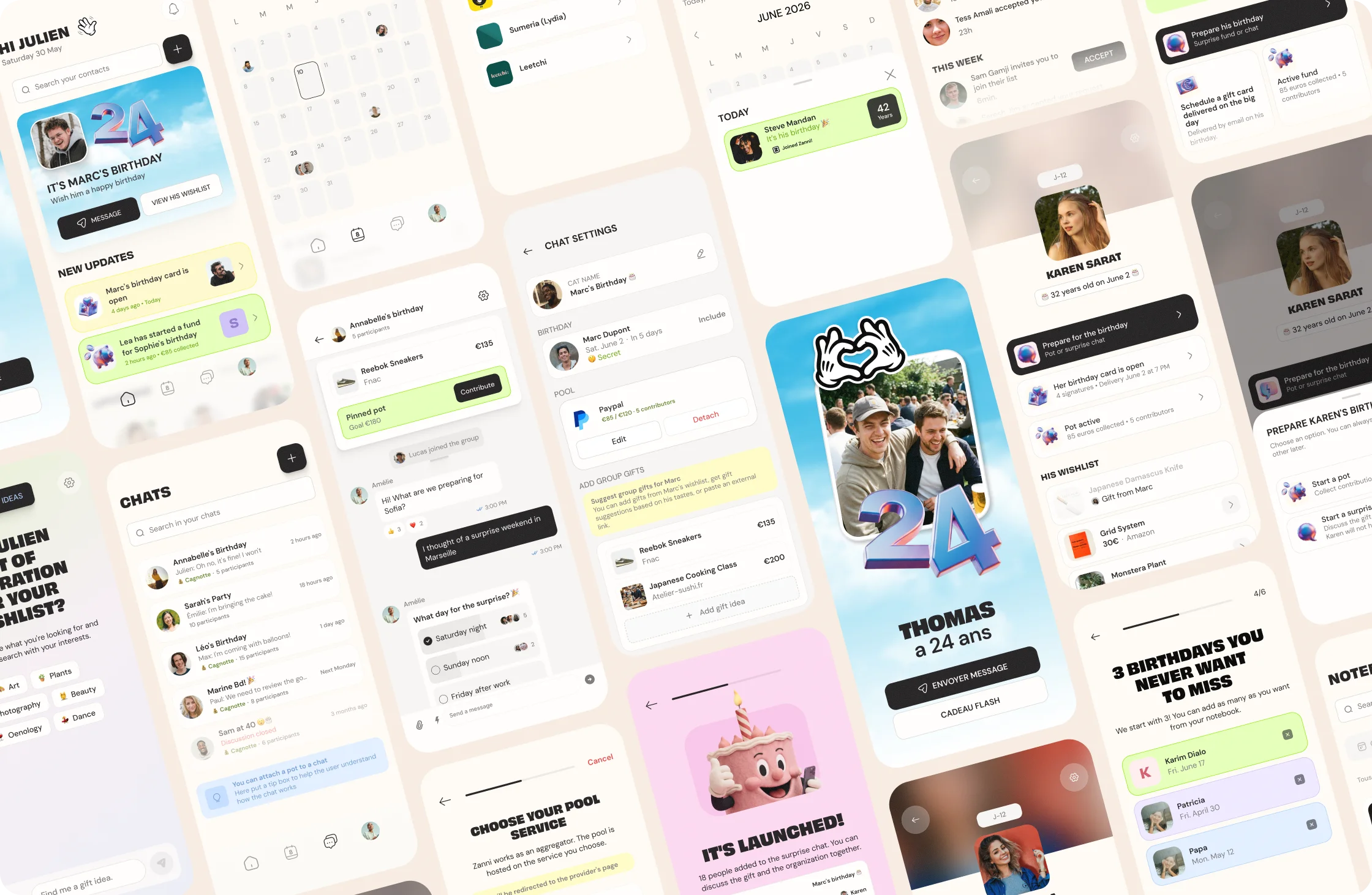
Once the mental model was established in onboarding, every other surface of Zanni was redesigned with the same rules: do rather than explain, reveal the social rather than narrate it, fill the screen before emptiness discourages. The Home, Chat, Contact Card, and Pot now speak the same language.
(07) Design system
Every pixel, documented
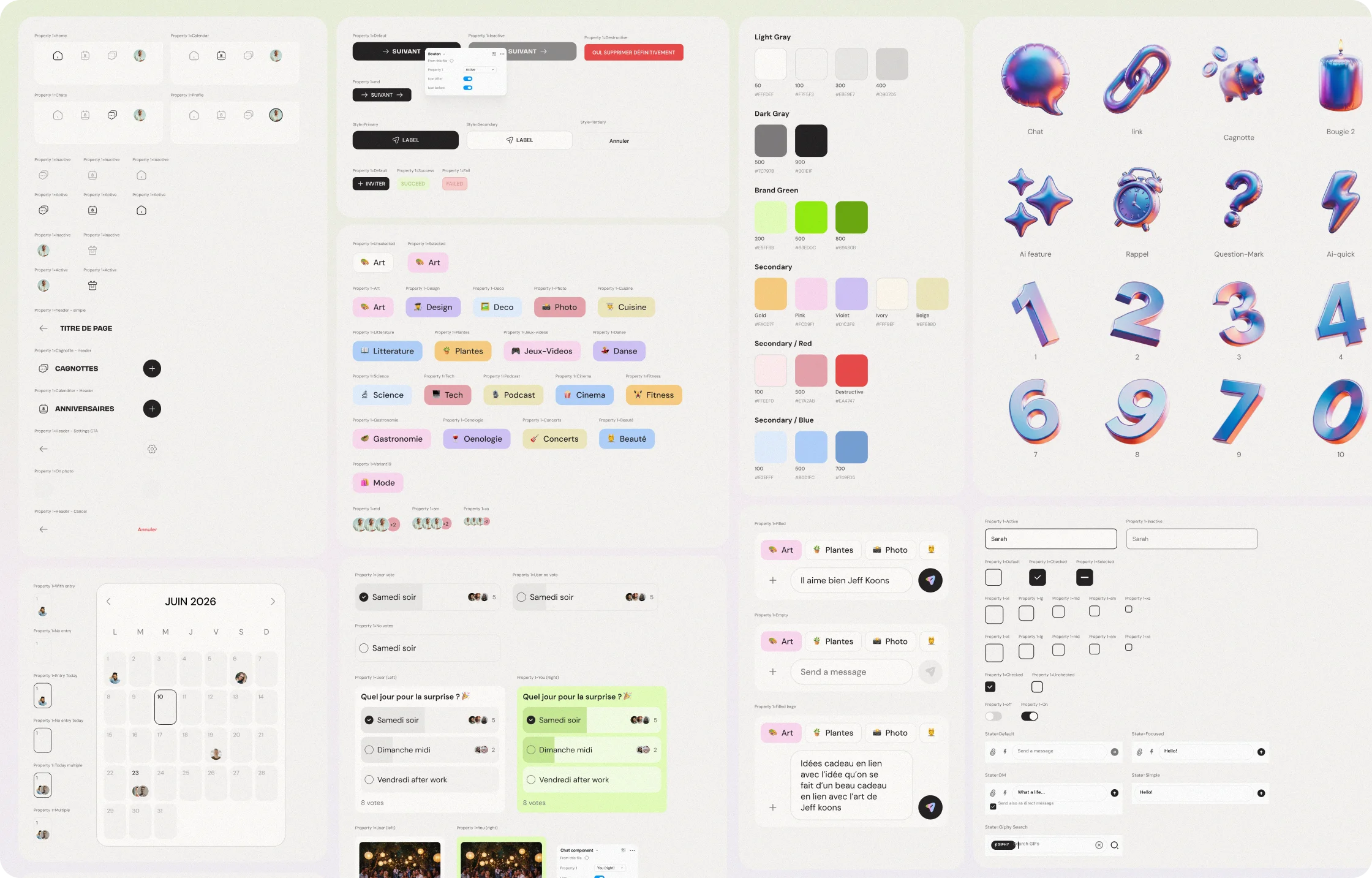
A design system built for the Figma → AI → developer pipeline. 71 atoms, 44 molecules, 38 variables, 51 styles, each annotated, typed, and commented directly in the file. The AI reads intentions on the first pass, and the developer ships without reinterpreting the mockups. Zero gap between Figma and the React Native build.
(08) Conclusion
What comes next?
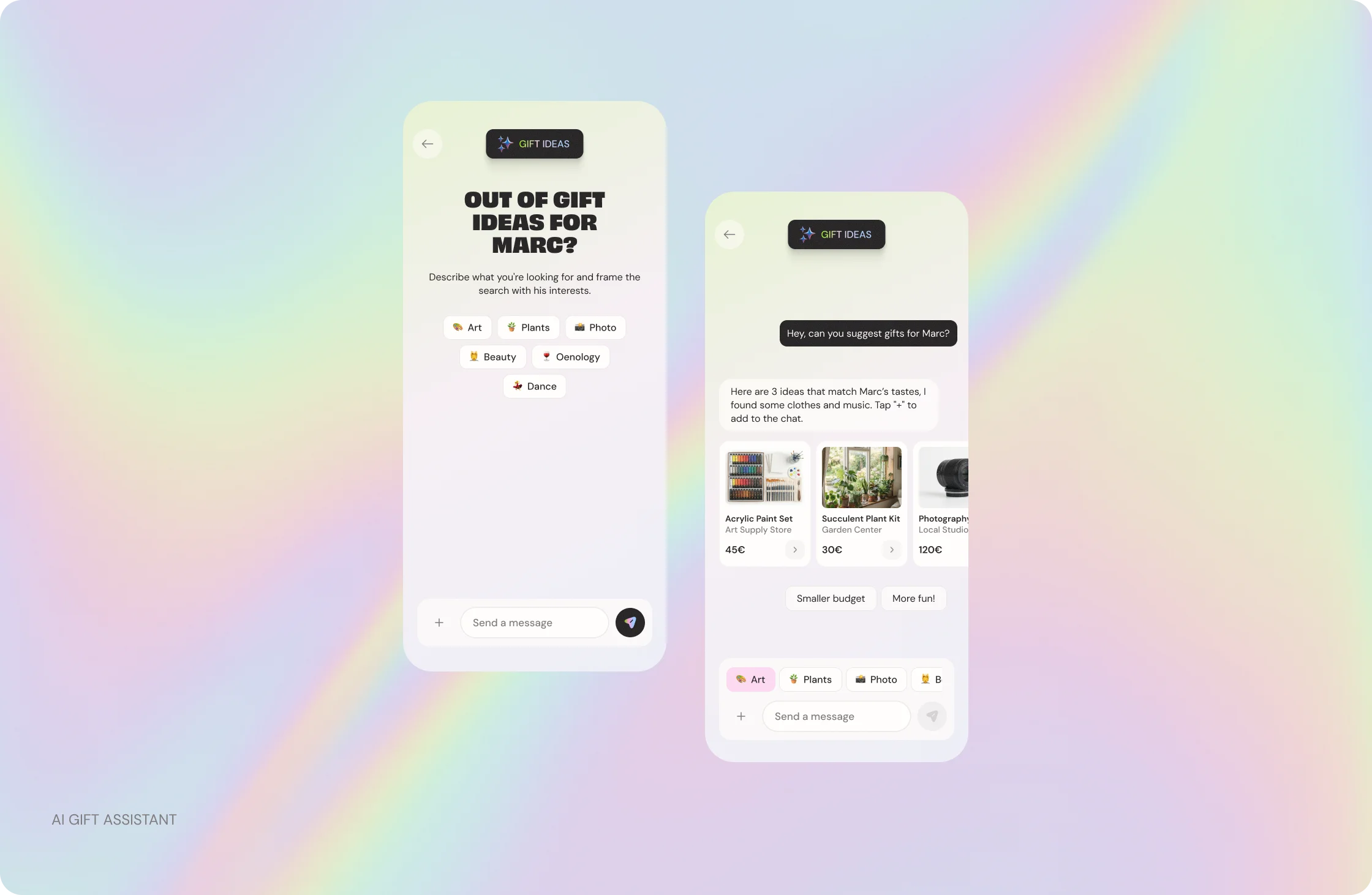
The V2 design is delivered and now in development. The beta test is scheduled to be launch in stores for the week of September 15. In our product roadmap, we plan to launch the next features: AI gift assistant and the gift marketplace (V3).